Check the website’s security features. Look for “https” in the URL and a padlock icon in your browser’s address bar. Legitimate pharmacies prioritize security.
Verify the pharmacy’s legitimacy. Use online pharmacy verification tools or contact your state’s board of pharmacy to confirm licensing. Avoid sites lacking contact information or physical addresses.
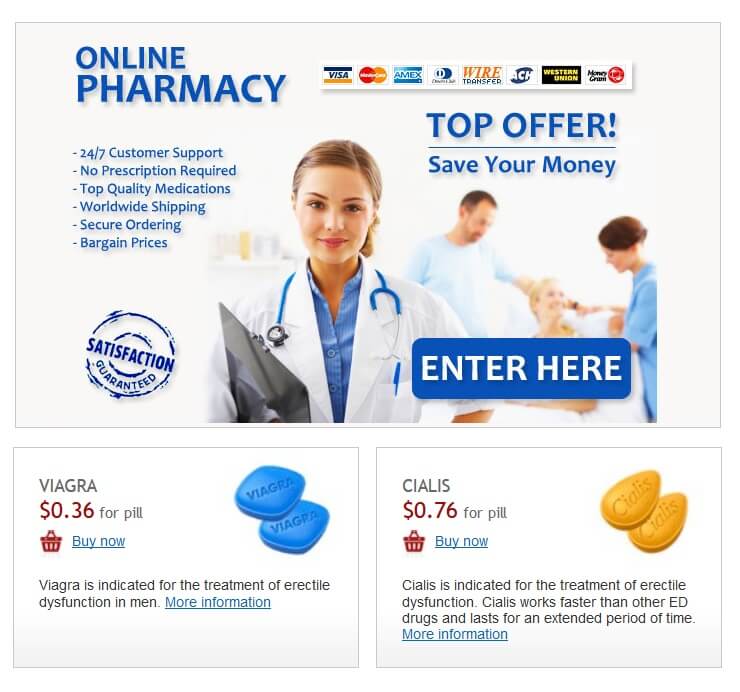
Scrutinize pricing. Unreasonably low prices often signal counterfeit medications. Compare prices across multiple reputable sources.
Inspect the website for professionalism. Look for clear and accurate information, professional design, and easy navigation. Poor grammar and unprofessional design are red flags.
Read customer reviews. Authentic reviews from verified buyers provide valuable insight into a pharmacy’s reliability. Be wary of overwhelmingly positive reviews or a lack of negative feedback.
Beware of unsolicited offers. Legitimate pharmacies rarely solicit customers through unsolicited emails or messages. Delete suspicious communications.
Only use secure payment methods. Avoid using wire transfers or pre-paid debit cards. Credit cards offer better buyer protection.
Report suspicious websites. If you encounter a website you suspect is fraudulent, report it to the appropriate authorities, including the FDA and your state’s board of pharmacy.
Consult your doctor. Discuss your medication needs with your physician and obtain your prescription through legitimate channels. Never attempt to obtain prescription medication without a prescription.