Check if the online pharmacy is licensed by verifying its registration with your country’s regulatory bodies. Look for the license number and verify it independently on the regulatory website. This confirms their legal operation.
Verify Secure Transactions
Ensure the website uses HTTPS (the padlock icon in your browser’s address bar), indicating encrypted data transmission protecting your personal and financial details. Look for trusted payment gateways like PayPal or Stripe. Avoid pharmacies that only accept wire transfers or unusual payment methods.
Scrutinize the Pharmacy’s Information
A legitimate online pharmacy clearly displays its physical address, contact information (phone number, email), and pharmacist licensing details. Vague or missing information is a major red flag. Look for a readily accessible “About Us” section with transparent details.
Read Reviews and Testimonials
Investigate customer reviews on independent review sites. Pay attention to both positive and negative feedback, checking for patterns or recurring complaints. Be cautious of sites with overwhelmingly positive reviews, as these might be fabricated. Look for reviews that provide specific details.
Consult Your Doctor
Always consult your doctor before ordering prescription medication online. They can advise on safe and legitimate sources, ensuring your medication is safe and appropriate for your needs. They can also help you understand potential risks and side effects.
Beware of suspiciously low prices
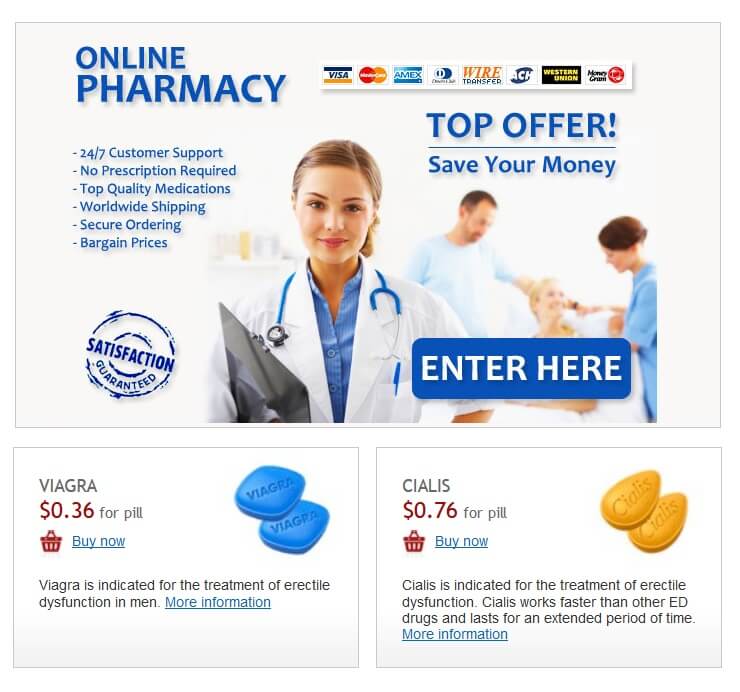
Extremely low prices often signal counterfeit or substandard medication. Legitimate pharmacies have pricing structures reflecting the cost of the medication and overhead. Consider that excessively cheap medication may compromise quality and safety.